Buy Bulk Ball Bearings by Carton or Pallet from Global Supplier
When you buy bulk ball bearings, prioritizing export-grade packaging over unit price prevents costly transit damage and ensures on-site readiness. Learn to choose between carton and pallet configurations while verifying ISPM 15 compliance and moisture barrier integrity for safe ocean freight delivery.
-
By author
- Updated
- 6 min read

Buy Bulk Ball Bearings by Carton or Pallet from Global Supplier
Cheaper packaging often costs more than the bearings themselves.
When you buy bulk ball bearings, prioritizing export-grade packaging and palletizing standards over unit price is the only way to prevent transit damage and ensure on-site readiness. Most procurement errors stem from assuming standard cartons are sufficient for ocean freight, leading to moisture ingress and structural collapse during unloading. Secure procurement requires verifying fumigated wood compliance, moisture barrier integrity, and dynamic load capacity before shipment leaves the factory.
I still remember the red dust of a West African refinery site, where I watched a forklift operator attempt to lift a pallet of deep-groove ball bearings that had arrived via sea freight. The wooden slats snapped instantly. Inside, the cardboard cartons were soggy, their contents scattered across the ground like gravel. The project was stalled for days while we sorted through rusted components that should have been pristine. That incident shifted my entire approach to supply chain logistics. Now, when clients ask how to buy bulk ball bearings, I do not start with price lists. I start with the packaging specifications. [NEED_CITE: impact of packaging failure on MRO project timelines]
Transit damage is not just an inconvenience; it is a direct hit to your bottom line. Understanding the mechanical and environmental stresses of global shipping allows you to choose the right configuration for your order volume.
Why Does Packaging Matter More Than Price for Bulk Bearings?
Transit damage directly dictates final project costs and delays.
Many buyers assume that saving a few dollars per carton on packaging materials is a smart cost-cutting measure. This is a critical miscalculation. The true cost of bulk bearing procurement is not determined at the point of purchase, but at the point of installation. If the protective layers fail, the entire batch may be compromised, rendering the initial savings meaningless. [NEED_CITE: correlation between packaging quality and bearing rejection rates]
Ocean freight subjects cargo to constant vibration, humidity fluctuations, and heavy stacking pressures. Standard domestic packaging is rarely designed to withstand these conditions. Moisture barrier transmission rates must be low enough to prevent condensation from reaching the steel surfaces, especially during long sea routes where temperature changes cause “container rain.” Without adequate protection, even high-precision bearings can develop surface corrosion before they are ever unpacked.
Furthermore, the structural integrity of the outer packaging determines whether the goods survive the final mile. In regions with rough terrain or limited unloading infrastructure, pallets must endure significant stress from forklifts and manual handling. A pallet that looks sturdy in a warehouse photo may fail under dynamic load conditions on a dusty construction site. By focusing on packaging standards, you ensure that the bearings arrive in the same condition they left the manufacturer’s production facilities.
Carton vs. Pallet: Which Suits Your Order Volume?
Cartons fit mixed small batches; pallets optimize heavy uniform loads.
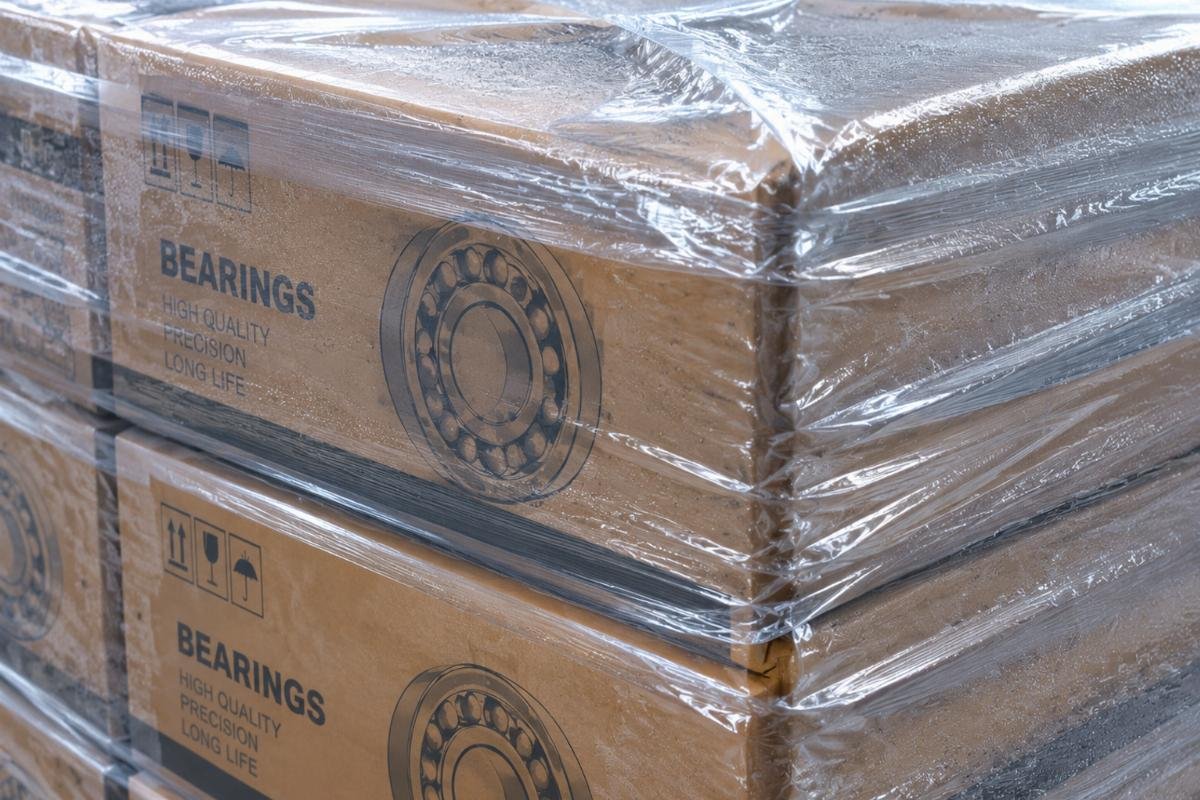
Choosing between carton-only shipments and palletized loads depends largely on your order composition and local handling capabilities. There is no one-size-fits-all solution, but understanding the trade-offs helps you avoid logistical bottlenecks.
| Feature | Carton-Only Shipment | Palletized Shipment |
|---|---|---|
| Best For | Mixed-brand, small-batch orders | Uniform, high-volume orders |
| Handling | Manual labor required | Forklift compatible |
| Stacking | Limited by carton crush strength | High, based on pallet load rating |
| Customs | Easier for partial inspections | Requires full pallet inspection if sealed |
| Risk | Higher risk of individual box damage | Lower risk if pallet is secured correctly |
For regional distributors stocking multiple brands for local resale, carton-only shipments offer flexibility. You can consolidate various sizes and types into a single container without being constrained by pallet dimensions. However, this method requires strict adherence to weight limits per carton to prevent bottom-layer crushing. [NEED_CITE: standard weight limits for corrugated bearing cartons]
In contrast, industrial OEMs and large MRO operators benefit from palletized shipments. Pallets streamline unloading and reduce manual handling time, which is crucial for urgent maintenance scenarios. The key is ensuring the pallet design matches the load. Heavy bearings require robust wooden structures with adequate stringer support, while lighter precision bearings can use simpler block pallets. When you buy bulk ball bearings, aligning the packaging method with your site’s unloading equipment prevents costly delays.

What Are the Critical Packaging Standards for Ocean Freight?
Fumigated wood and multi-layer moisture barriers are non-negotiable for long sea routes.
International maritime transport guidelines impose strict requirements on packaging materials to prevent the spread of pests and protect cargo from environmental hazards. Ignoring these standards can lead to customs rejection or total cargo loss.
The most common oversight involves wooden pallets. Many suppliers use non-fumigated wood to cut costs, which is often rejected at customs in strict jurisdictions. ISPM 15 compliance is mandatory for most international shipments, requiring heat treatment or fumigation of all wood packaging material. [NEED_CITE: ISPM 15 requirements for international wood packaging] Without the proper stamp and documentation, your shipment may be held at port, incurring demurrage charges and delaying your project.
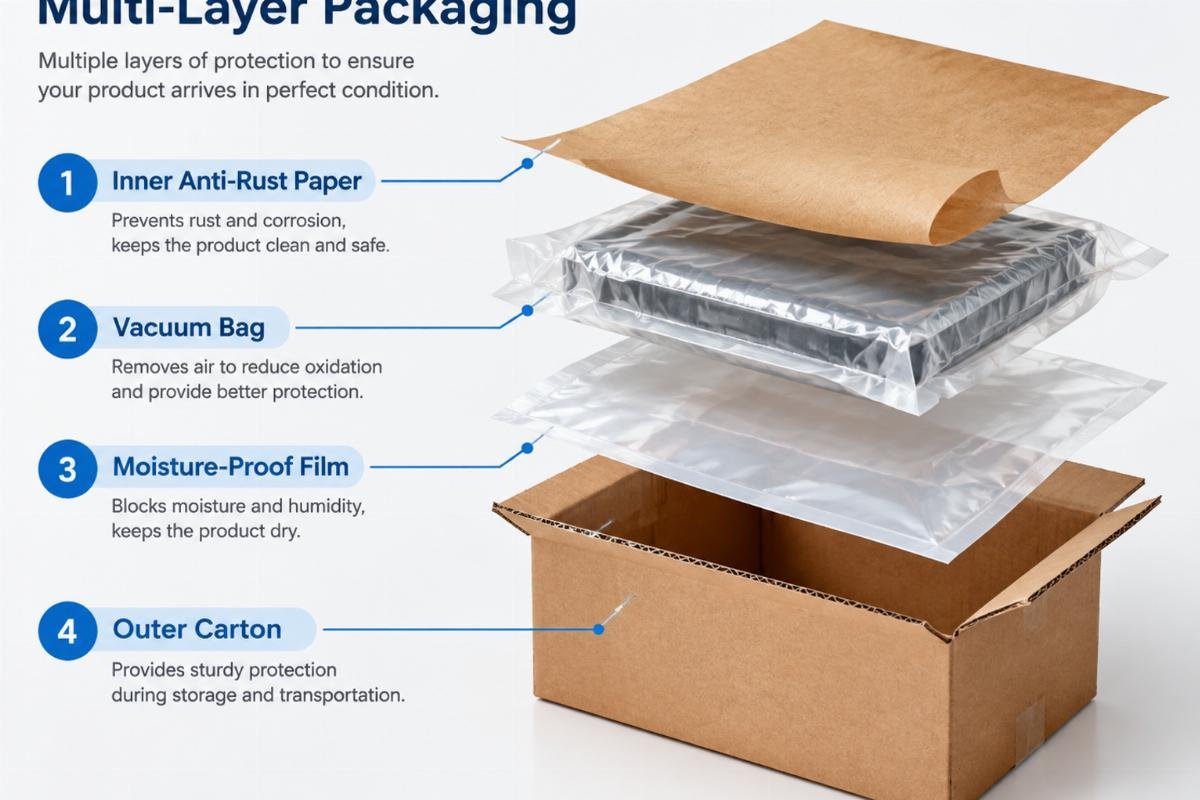
Moisture control is equally critical. Steel bearings are highly susceptible to corrosion in humid environments. Effective packaging involves multiple layers of protection: inner anti-rust paper, vacuum-sealed plastic bags, and outer moisture-proof film. The thickness of this film matters; thin plastic tears easily during handling, exposing the contents to salt air and humidity. In coastal deliveries, where exposure to saline moisture is high, reinforced barriers are essential.
Additionally, container space utilization ratios affect stability. Poorly packed containers allow cargo to shift during transit, leading to impacts that can damage both the packaging and the bearings inside. Proper dunnage and securing methods ensure that the load remains static, regardless of sea conditions. When you evaluate suppliers, ask for details on their moisture barrier specifications and wood treatment protocols. These details separate professional exporters from casual traders.
How to Verify Supplier Packaging Before Shipment?
Requesting loading photos and weight tests ensures compliance.
Trust but verify. Relying on a supplier’s word is insufficient when dealing with high-value industrial components. Implementing a pre-shipment verification process gives you control over the quality of your incoming goods.
Start by requesting detailed loading photos. These should show not just the exterior of the containers, but the internal arrangement of the cargo. Look for signs of proper stacking, secure strapping, and intact moisture barriers. If the photos reveal loose boxes or damaged pallets, address the issue before the container doors are closed. [NEED_CITE: best practices for pre-shipment inspection documentation]
Weight tests are another effective verification method. Ask the supplier to provide data on pallet dynamic and static load capacities. This information confirms that the packaging can withstand the stresses of forklift handling and stacking. For mixed-batch consolidations, verify that carton weight limits are respected to prevent crushing.
In one instance, a client in Southeast Asia requested a pre-shipment inspection for a large order of spherical roller bearings. The photos revealed that the moisture-proof film had been applied loosely, with gaps near the edges. We intervened immediately, requiring the supplier to rewrap the pallets before loading. This simple step prevented potential corrosion issues that could have arisen during the humid monsoon season. Such proactive measures ensure that when you buy bulk ball bearings, you receive products that are ready for immediate use.

Conclusion
Packaging is part of the product.
Successful bulk procurement hinges on recognizing that packaging standards are as vital as the bearings themselves. By prioritizing fumigated wood, robust moisture barriers, and appropriate load configurations, you safeguard your investment against the rigors of global transit. Whether you choose cartons for flexibility or pallets for efficiency, verifying these details before shipment ensures smooth operations and reliable performance on site.
Tags
Share this article

Written by
author
Editor covering global sourcing, supplier verification, and industrial product knowledge. Content is compiled from manufacturer specifications, industry standards, and hands-on experience with international B2B buyers. Every article is fact-checked before publishing to help procurement professionals make informed decisions.
More articles by author

