EPC Project Bearings: Genuine SKF, FAG, TIMKEN Wholesale Supplier for Plant Construction
Master EPC project bearings sourcing by prioritizing batch traceability over simple part number matching to prevent costly site rejections. Verify authenticity through mill certificates and physical stamps while leveraging mixed-brand consolidation to streamline logistics and ensure full compliance for plant construction.
-
By author
- Updated
- 7 min read

EPC Project Bearings: Genuine SKF, FAG, TIMKEN Wholesale Supplier for Plant Construction
Matching part numbers is not enough to guarantee acceptance at an EPC site.
Sourcing bearings for plant construction EPC projects requires strict batch traceability and genuine documentation, not just matching part numbers. The primary cause of site rejection is mismatched traceability documents rather than counterfeit products. Procurement managers must verify original mill certificates, batch numbers, and customs declarations against physical steel stamps to ensure compliance.
I still remember the humidity in Antofagasta when a shipment of TIMKEN tapered roller bearings arrived at a copper mine expansion project. The bearings were genuine, sourced from authorized channels, but the traceability documents did not match the specific batch numbers stamped on the inner rings. The site监理 (supervisor) rejected the entire lot immediately. We faced the prospect of air-freighting replacements, which would have delayed the commissioning schedule by weeks. That incident shifted my focus from merely finding the right part number to ensuring every document aligns perfectly with the physical product. In EPC procurement, paperwork is as critical as the steel itself. [NEED_CITE: common causes of bearing rejection in industrial projects]
This guide details how to navigate these complexities, ensuring your EPC project bearings sourcing strategy prevents costly delays and rejections.
Why Do EPC Sites Reject Genuine Bearings?
Mismatched batch traceability documents cause more rejections than actual fake products.
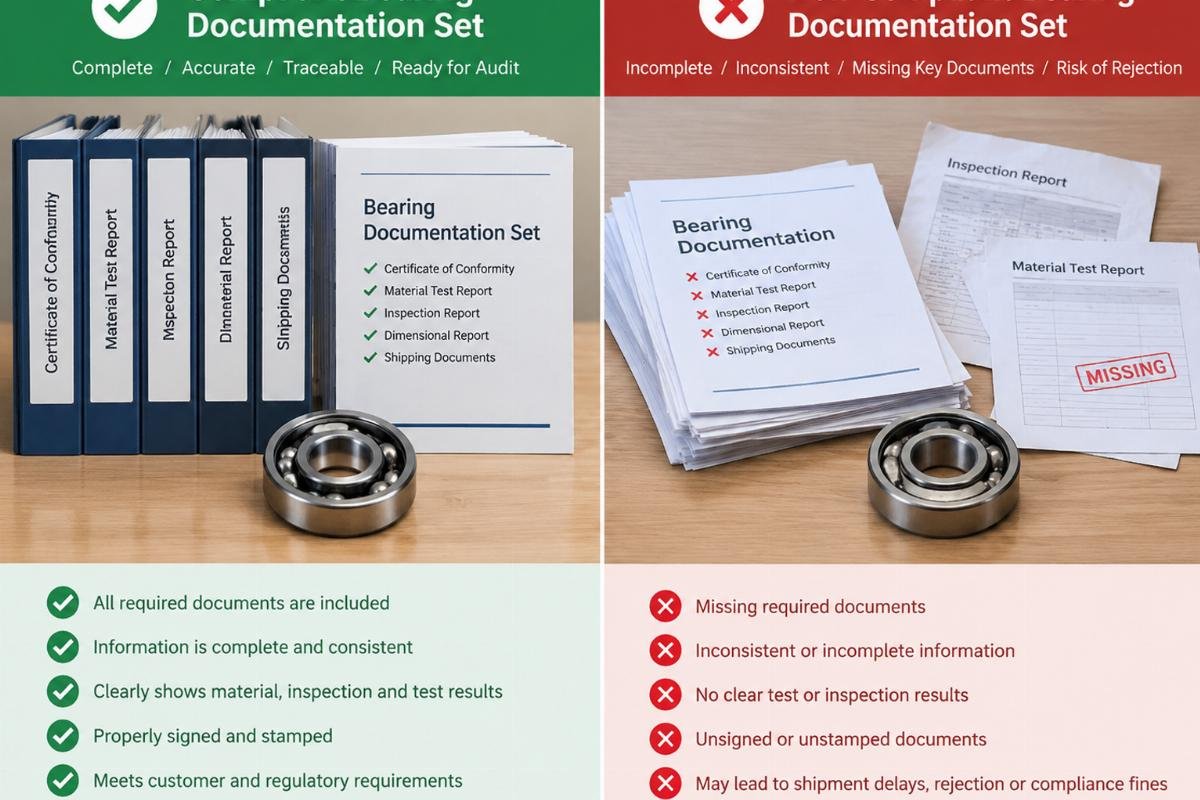
Many procurement teams assume that if the bearing looks right and fits the housing, it will pass inspection. This is a dangerous misconception in large-scale plant construction. Site supervisors and quality assurance inspectors are trained to look for discrepancies between the physical item and its accompanying paperwork. A genuine bearing without verifiable batch data is often treated as suspicious or non-compliant.
The core issue lies in the chain of custody. When bearings move through multiple distributors, the original factory certificate can get separated from the physical goods. If the batch number on the certificate does not match the laser etching or stamp on the bearing ring, the inspector has no way to verify its origin. This leads to immediate quarantine of the stock.
| Inspection Criteria | High-Risk Scenario | Compliant Scenario |
|---|---|---|
| Document Match | Certificate batch number differs from physical stamp | Exact match between certificate and physical stamp |
| Traceability Level | Generic brand certificate only | Full mill certificate with heat treatment data |
| Packaging Integrity | Repacked in neutral boxes without original labels | Original manufacturer sealing with intact labels |
| Verification Method | Visual check only | Cross-reference with manufacturer database |
In one case, a Middle East steel mill project faced significant delays because a consolidated container included bearings from three different brands. While the SKF and FAG units had perfect documentation, a small batch of NSK bearings had been repacked by a local distributor who lost the original batch sheets. The site engineer refused to install them, citing inability to trace their history. This resulted in a partial shipment rejection and urgent re-sourcing efforts. [NEED_CITE: importance of traceability in heavy industry supply chains]
To avoid this, your EPC project bearings sourcing process must prioritize document integrity alongside product authenticity. Ensure that every single unit in a mixed-brand order carries its own verifiable paper trail.
How to Verify Bearing Authenticity and Traceability?
Check original mill certificates, batch numbers, and customs declarations against physical steel stamps.
Verifying authenticity goes beyond checking holograms or QR codes, which can be replicated. The most reliable method is a three-way match: the physical bearing, the original mill certificate, and the customs declaration. This triangulation provides a robust defense against both counterfeits and administrative errors.
Start with the physical inspection. Look for the manufacturer’s logo and batch code stamped on the inner or outer ring. These marks should be clear, deep, and consistent with the brand’s standard font. Next, examine the mill certificate. It should include specific details such as the heat number, production date, and dimensional tolerance class. Finally, cross-reference these details with the customs declaration. The description and quantity on the customs docs must align with the packing list and the physical cargo.
- Inspect Physical Markings: Verify that the brand logo and batch code are laser-etched or stamped clearly. Check for signs of tampering or re-stamping.
- Validate Mill Certificates: Ensure the certificate is original, not a photocopy. Check for the manufacturer’s official seal and signature. Confirm that the batch number on the cert matches the bearing.
- Cross-Check Customs Docs: Compare the harmonic system codes and descriptions on the customs declaration with the invoice and packing list. Discrepancies here can lead to customs holds or site rejection.
A European wind farm operator once received a shipment where the customs declaration listed “general machinery parts” instead of specific bearing types. While the bearings themselves were genuine FAG units, the lack of specific description raised red flags during the site audit. The project team had to spend days contacting the supplier to obtain corrected documents, delaying the installation of critical gearbox components. [NEED_CITE: best practices for industrial import documentation]
By implementing strict verification steps, you ensure that your EPC project bearings sourcing delivers products that are not only genuine but also fully compliant with site requirements. This diligence prevents the administrative bottlenecks that often plague large construction projects.

What Are the Best Sourcing Strategies for Mixed-Brand EPC Orders?
Consolidating multiple brands and sizes into single shipments reduces logistics costs and simplifies customs.
EPC projects typically require a wide variety of bearing types and brands. Sourcing each brand separately from different distributors leads to fragmented shipments, higher freight costs, and complex customs clearance. A more efficient approach is to use a specialized consolidator who can source genuine products from multiple mainstream brands and combine them into a single, well-documented shipment.
This strategy offers several advantages. First, it reduces the number of shipping containers and associated freight fees. Second, it simplifies the customs clearance process, as all items are declared under a single bill of lading. Third, it ensures consistent documentation standards across all brands, reducing the risk of mismatched paperwork.
When selecting a consolidator, look for one who maintains direct relationships with authorized distributors or manufacturers. They should be able to provide original mill certificates for every brand in the mix, whether it is SKF, TIMKEN, NSK, or FAG. Avoid suppliers who offer “compatible” or “equivalent” products unless explicitly requested, as these may not meet the stringent quality standards of major EPC contracts.
For example, a mining project in South America needed a mix of spherical roller bearings from SKF and tapered roller bearings from TIMKEN. By sourcing through a single consolidator, they received a single container with full traceability for both brands. This approach saved them weeks in logistics coordination and ensured that all documentation met the client’s rigorous audit requirements. [NEED_CITE: benefits of supply chain consolidation in construction projects]
Effective EPC project bearings sourcing leverages consolidation to streamline logistics while maintaining the highest standards of authenticity and documentation. This approach is particularly valuable for remote sites where receiving multiple partial shipments is logistically challenging.

How to Balance Lead Time and MOQ for Urgent Plant Maintenance?
Flexible MOQ and massive spot inventory prevent unplanned production downtime.
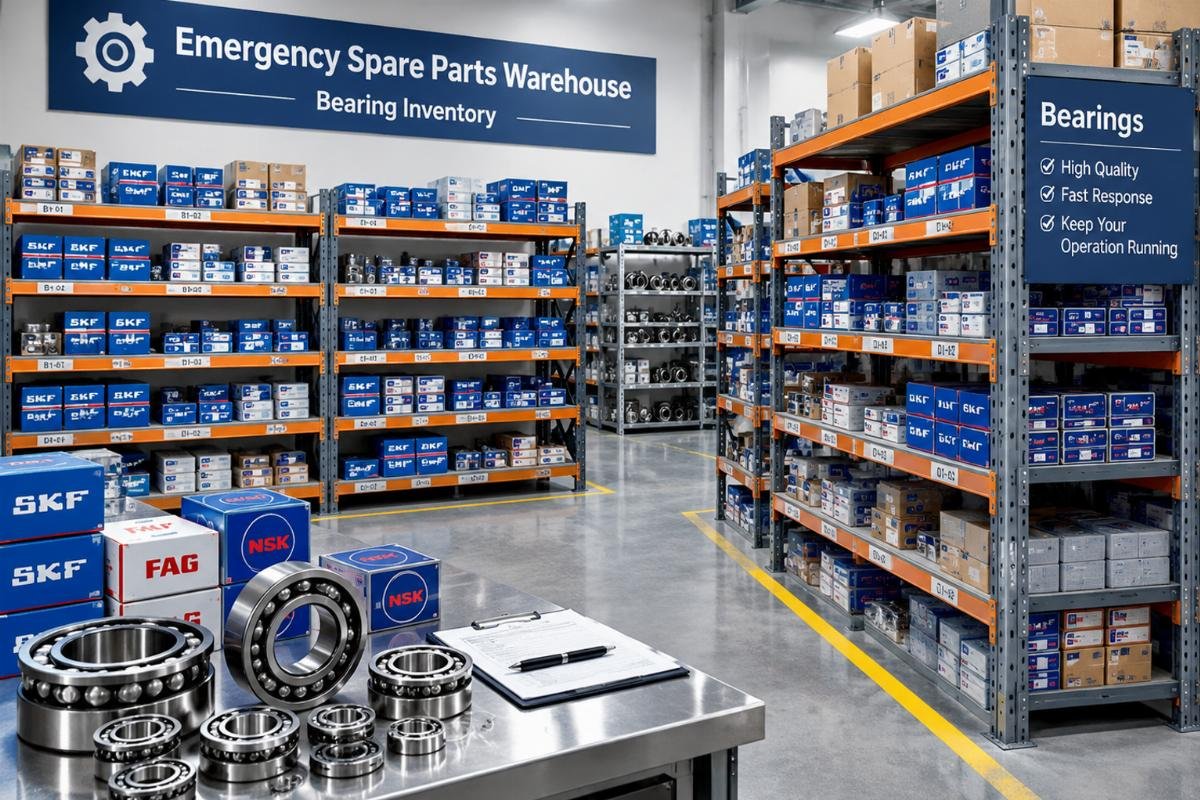
In the operational phase of a plant, unexpected bearing failures can halt production. Waiting for standard lead times from manufacturers is not an option. Therefore, having access to a supplier with significant spot inventory and flexible minimum order quantities (MOQ) is crucial. This allows for the rapid procurement of single units or small batches without the need for large bulk orders.
Suppliers with extensive warehousing capabilities can offer immediate dispatch for common part numbers. They should also provide technical support to help identify the correct replacement, especially if the original bearing is obsolete or if a cross-brand equivalent is needed. However, any substitution must be verified for dimensional and load capacity compatibility to ensure safe operation.
Consider a scenario where a cement plant in Southeast Asia experienced a sudden failure in a critical crusher bearing. The original specification was a specific INA spherical roller bearing. The maintenance team contacted a supplier with a large spot inventory who confirmed availability of the exact part. The bearing was shipped via express air freight and installed within forty-eight hours, minimizing downtime. Without such a responsive supply chain, the plant could have faced days of lost production. [NEED_CITE: impact of spare parts availability on industrial uptime]
Your EPC project bearings sourcing strategy should include a contingency plan for emergency maintenance. Establish relationships with suppliers who can deliver genuine parts quickly, ensuring that your operations remain resilient against unexpected equipment failures.
Conclusion
Authenticity and traceability are non-negotiable in EPC bearing procurement.
Sourcing bearings for plant construction demands more than just finding the right part number. It requires a rigorous approach to documentation, verification, and logistics. By prioritizing batch traceability, verifying documents against physical stamps, and utilizing consolidated sourcing strategies, procurement managers can avoid site rejections and delays. Partnering with suppliers who offer genuine products, flexible MOQs, and robust technical support ensures that your project stays on schedule and within budget. Effective EPC project bearings sourcing is the foundation of reliable industrial operation.
Tags
Share this article

Written by
author
Editor covering global sourcing, supplier verification, and industrial product knowledge. Content is compiled from manufacturer specifications, industry standards, and hands-on experience with international B2B buyers. Every article is fact-checked before publishing to help procurement professionals make informed decisions.
More articles by author

