Genuine Bearings for Irrigation Pivots & Pumps Wholesale Supplier
Prevent costly irrigation downtime by selecting genuine bearings for irrigation pivots and pumps that withstand desert heat and sand ingress. Verify metallurgical traceability and high-temperature grease stability to avoid counterfeit failures. Secure reliable OEM components with full documentation for harsh agricultural environments.
-
By author
- Updated
- 8 min read
Genuine Bearings for Irrigation Pivots & Pumps Wholesale Supplier
Most bearing failures in desert agriculture are not caused by load, but by lubrication breakdown.
Selecting genuine bearings for irrigation pivots and pumps requires verifying metallurgical traceability and high-temperature grease stability rather than relying on brand stamps alone. Authentic components with precise seal clearances prevent sand ingress and maintain viscosity under extreme friction, ensuring operational continuity in harsh environments.
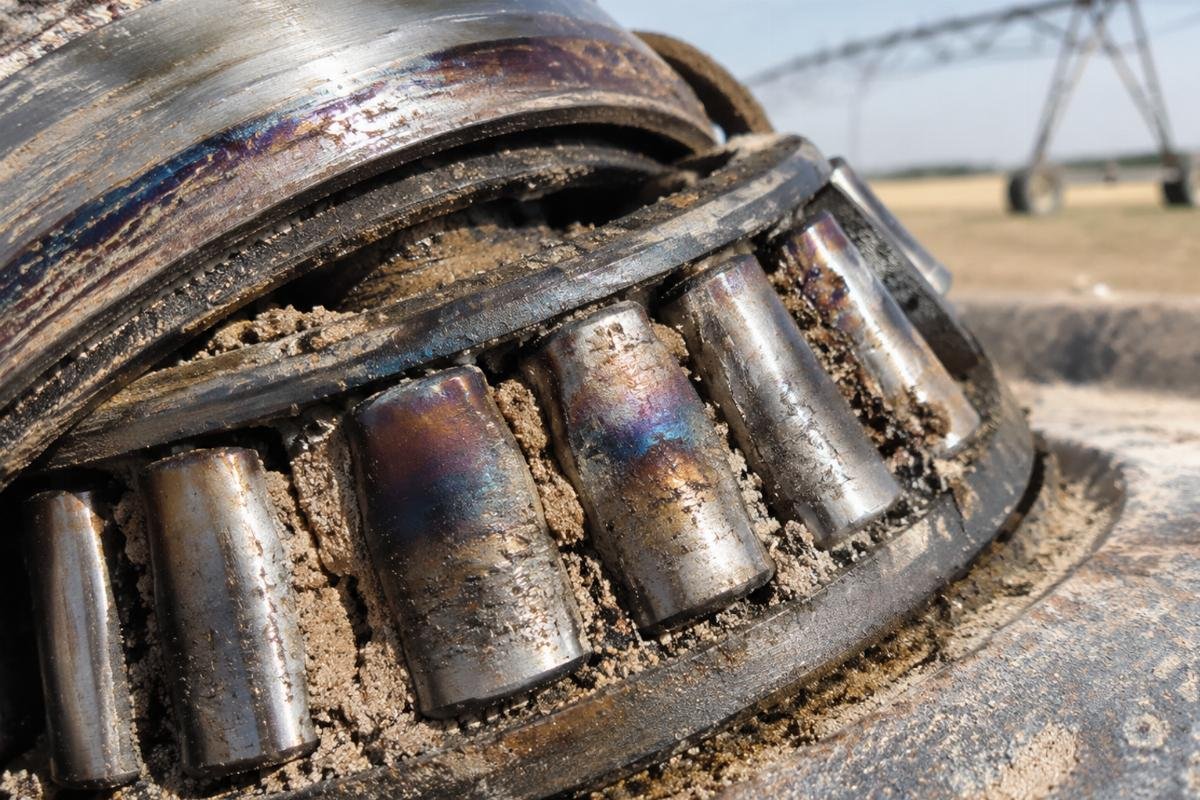
I still remember the silence that fell over a pivot tower in Riyadh when the drive unit seized. It was not a dramatic explosion, but a slow, grinding halt caused by grease that had turned to liquid and leaked out. The bearing looked fine from the outside, stamped with a recognizable logo, but inside, the raceways were scored by metal-to-metal contact. That failure taught me that in the agricultural sector, especially in the Middle East and Africa, the enemy is not just weight or speed, but heat and particulate matter. When I inspect bearings for center pivot irrigation systems now, I look past the packaging. I check for the subtle signs of counterfeit steel: inconsistent hardness, poor surface finish, and seals that lack the micron-level precision required to keep desert sand at bay. [NEED_CITE: common failure modes in agricultural machinery per ISO 15243]
Understanding these physical realities is essential for any distributor or OEM sourcing bearings for irrigation pivots and pumps. The difference between a season of successful harvests and a catastrophic system wipeout often lies in the authenticity of these small but critical components.
Why Do Irrigation Pivot Bearings Fail in Desert Heat?
Extreme friction melts standard grease, causing metal-to-metal contact long before the steel itself fails.
In arid regions, ambient temperatures can soar, but the internal temperature of a bearing under load rises much higher. Standard lithium-based greases begin to lose their viscosity and structural integrity at relatively moderate temperatures. When this happens, the oil separates from the thickener, leaking out through the seals or burning off, leaving the rolling elements unprotected.
I have seen countless cases where operators assumed that because a bearing was rated for a certain load, it would survive the desert summer. They overlooked the thermal limits of the lubricant. In one instance, a large-scale farm operator replaced failed bearings with cheaper alternatives that lacked high-temperature stabilizers. Within weeks, the grease had carbonized, creating a abrasive paste that accelerated wear. The result was not just a bearing replacement, but a complete overhaul of the pivot drive mechanism. [NEED_CITE: lubrication viscosity curves and thermal stability standards]
The key is selecting bearings designed for high-temperature applications. This means looking for greases with high dropping points and synthetic base oils that maintain film strength even when hot. For bearings for irrigation pivots and pumps, this specification is non-negotiable. It is not enough to buy a “heavy-duty” bearing; you must verify that the lubrication package matches the environmental stress.

Without this thermal resilience, the bearing becomes a victim of its own friction. The heat generated by normal operation combines with the external solar load, pushing the internal temperature beyond the grease’s capability. Once the lubricant film breaks down, the steel surfaces touch, generating more heat, and leading to rapid seizure.
How to Identify Metallurgical Flaws in Counterfeit Bearings?
Fake bearings lack traceable steel purity, leading to early fatigue and spalling under cyclic loads.
A brand stamp is easy to forge; metallurgical integrity is not. Counterfeit bearings often use lower-grade steel with higher levels of impurities such as oxygen and sulfur. These inclusions act as stress concentrators, initiating micro-cracks that propagate under the cyclic loading typical of irrigation pumps and pivots.
In my early days in the inspection lab, I learned to look for signs of poor heat treatment. Genuine bearings undergo precise hardening processes that create a uniform martensitic structure. Counterfeits often exhibit soft spots or inconsistent case depth, which can be detected through hardness testing or even careful visual inspection of the raceway finish. A rough or uneven surface finish is a red flag that the manufacturing process lacked the necessary precision. [NEED_CITE: metallurgical flaw detection methods in bearing steel]
For buyers of bearings for irrigation pivots and pumps, this means demanding more than just a certificate of conformity. You need traceability documents that link the batch of bearings to the specific steel melt and production run. This level of documentation is standard for genuine manufacturers like SKF, TIMKEN, and FAG, but rarely available for counterfeit goods.
| Feature | Genuine Bearing | Counterfeit Bearing |
|---|---|---|
| Steel Purity | High cleanliness, low inclusion density | Visible inclusions, inconsistent composition |
| Heat Treatment | Uniform hardness, controlled microstructure | Soft spots, uneven case depth |
| Surface Finish | Smooth, polished raceways | Rough, tool marks visible |
| Traceability | Full batch-level documentation | None or forged papers |
I once reviewed a shipment of tapered roller bearings destined for a pump manufacturer in North Africa. The packaging looked perfect, but the bearings themselves had a dull, grayish hue instead of the bright, clean finish of genuine steel. Hardness tests revealed significant variation across the same batch. These bearings would have failed prematurely, causing unplanned downtime for the end user. By catching them before installation, we saved the client from a costly recall.

When sourcing bearings for irrigation pivots and pumps, insist on seeing the material certificates. If the supplier cannot provide detailed traceability, the risk of receiving substandard product is unacceptably high.
What Are the Critical Specs for Pump and Pivot Bearings?
High-temperature tolerance and precise seal clearances are non-negotiable for survival in sandy environments.
The operating environment of an irrigation system dictates the technical specifications required. For center pivots, the bearings must accommodate misalignment and shock loads from uneven terrain. For pumps, they must handle high radial and axial loads while resisting contamination from water and sand.
One of the most critical specs is the seal design. In desert conditions, sand particles are fine enough to penetrate inadequate seals. Once inside, they act as an abrasive, destroying the raceways and rolling elements. Genuine bearings feature labyrinth seals or specialized rubber compounds that maintain flexibility and sealing force even in extreme heat. Counterfeit versions often use hard, brittle rubber that cracks or deforms, allowing ingress. [NEED_CITE: seal clearance standards for contaminated environments]
Another key specification is the internal clearance. Bearings for agricultural applications often require C3 or greater clearance to account for thermal expansion. If the clearance is too tight, the bearing will bind as it heats up, leading to premature failure. If it is too loose, vibration increases, causing fatigue. Selecting the correct clearance class is vital for the longevity of bearings for irrigation pivots and pumps.
| Application | Key Requirement | Reason |
|---|---|---|
| Center Pivot Towers | High misalignment capacity | Uneven terrain and tower flex |
| Irrigation Pumps | High axial load rating | Impeller thrust forces |
| Desert Environments | Enhanced seal protection | Sand and dust ingress prevention |
| High-Temp Operation | C3+ Internal Clearance | Thermal expansion accommodation |
I recall a case where a distributor supplied standard clearance bearings for a pump application in a hot climate. The bearings seized after only a few hundred hours because the thermal expansion eliminated the internal clearance. Switching to bearings with appropriate C3 clearance and high-temperature grease resolved the issue completely.

When evaluating bearings for irrigation pivots and pumps, do not just look at the part number. Verify the suffix codes that indicate clearance, seal type, and lubricant. These details determine whether the bearing will survive the season or fail in the field.
How to Source Genuine Bearings for Agricultural Equipment?
Require full traceability docs and ISO-compliant quality assurance to avoid counterfeit risks.
Sourcing authentic components in a market flooded with counterfeits requires a strategic approach. It is not enough to find the lowest price; you must verify the supply chain. Genuine manufacturers have strict distribution networks, and buying outside these channels increases the risk of receiving fake goods.
For distributors and OEMs, this means partnering with suppliers who can provide complete documentation. This includes original mill certificates, proof of purchase from authorized channels, and batch-specific test reports. A reputable supplier will not hesitate to provide these documents. In fact, they will expect you to ask for them. [NEED_CITE: ISO 9001 quality assurance requirements for bearing distributors]
I have built my sourcing strategy on transparency. When I supply bearings for irrigation pivots and pumps, I ensure that every item is traceable back to the factory. This allows for root cause analysis if a failure occurs, distinguishing between a manufacturing defect and an application error. Without this traceability, you are flying blind.
Additionally, technical support is a crucial part of the sourcing process. A good supplier does not just ship boxes; they offer guidance on selection, installation, and maintenance. They understand the specific challenges of agricultural machinery and can recommend the right solutions for your application. Whether it is advising on the correct grease for high-temperature operation or helping to identify the right seal for a sandy environment, this expertise adds significant value.
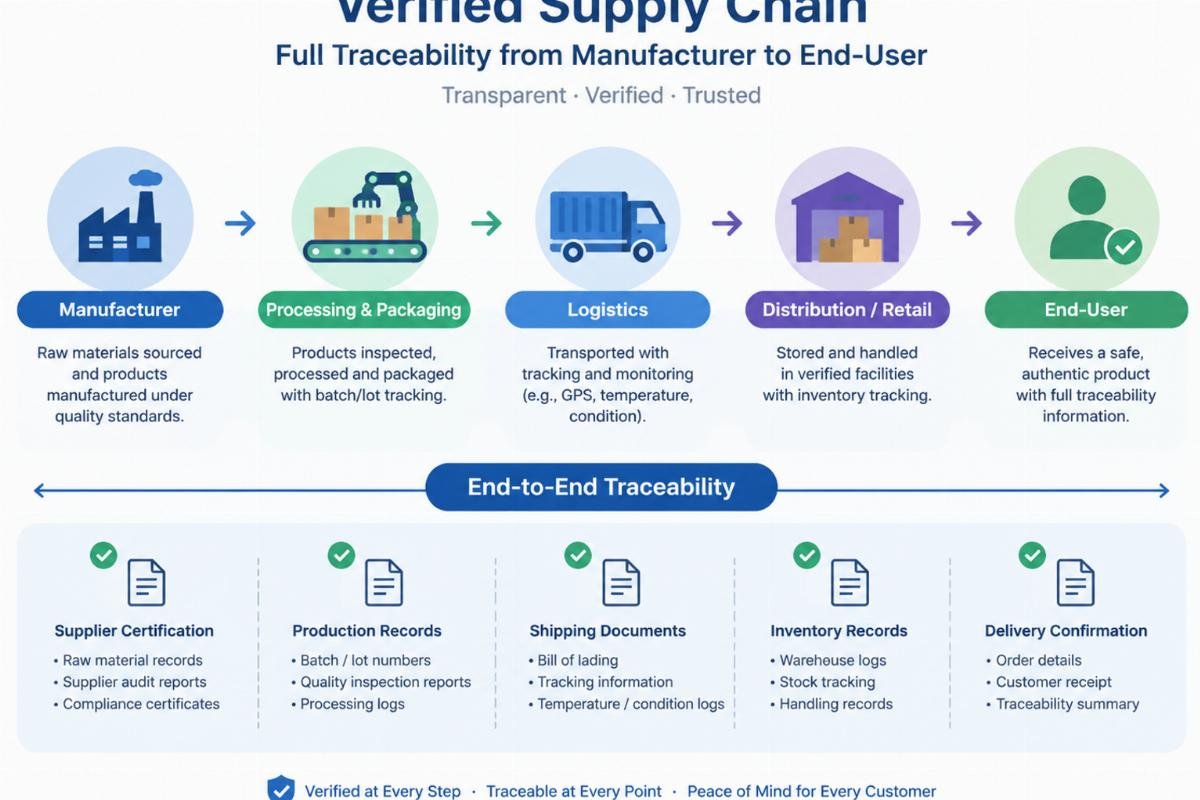
By focusing on traceability and technical support, you protect your business and your customers from the high costs of bearing failure. Sourcing bearings for irrigation pivots and pumps is not just a transaction; it is a partnership in reliability.
Conclusion
Authenticity and technical precision prevent catastrophic irrigation failures.
Genuine bearings with proper high-temperature lubrication and precise sealing are essential for reliable operation in harsh agricultural environments. Verifying metallurgical traceability and selecting the correct specifications ensures longevity and minimizes downtime for irrigation pivots and pumps.
Tags
Share this article

Written by
author
Editor covering global sourcing, supplier verification, and industrial product knowledge. Content is compiled from manufacturer specifications, industry standards, and hands-on experience with international B2B buyers. Every article is fact-checked before publishing to help procurement professionals make informed decisions.
More articles by author

