Dead Stock in Bearings: How to Clear It
Transform dead stock in bearings from a sunk cost into leverage by bundling slow-moving niche sizes with urgent MRO spares. This consolidation strategy slashes total sourcing and storage costs while clearing warehouse space. Discover how mixed-brand packages optimize procurement logic and prevent future inventory stagnation.
-
By author
- Updated
- 7 min read
Dead Stock in Bearings: How to Clear It
Dead stock is not a sunk cost; it is leverage.
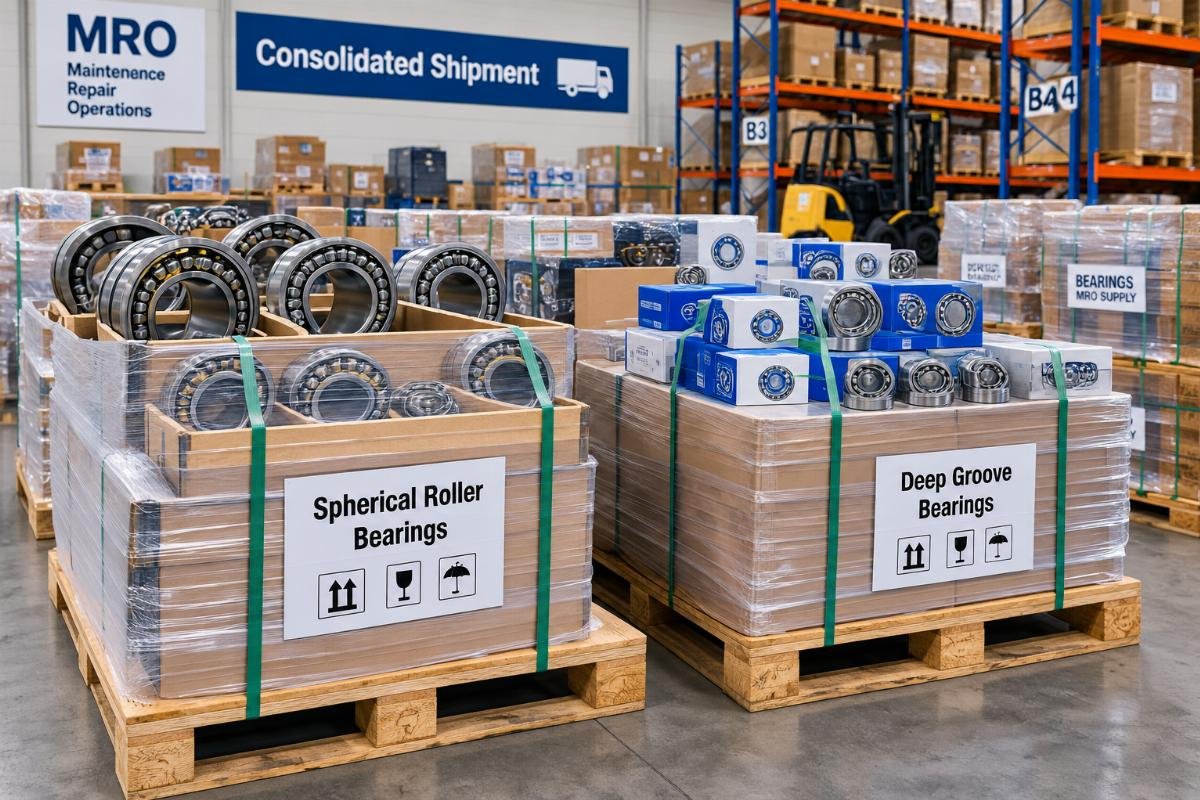
Clearing dead stock in bearings requires bundling slow-moving niche sizes with urgent MRO spares into mixed-brand packages, transforming stagnant inventory into a tool for slashing total sourcing and storage costs rather than liquidating at a loss.
I still remember the smell of rust mixing with hydraulic oil in a corner warehouse in Dongguan. A client had abruptly changed the specifications for their conveyor overhaul project, leaving a full pallet of NSK tapered roller bearings gathering dust. The procurement manager saw only wasted space and capital tied up in metal that no one wanted. He was ready to sell them to a scrap dealer for pennies on the dollar. I stopped him. Instead of treating those bearings as trash, we bundled them with a large order of fast-moving deep groove ball bearings needed for immediate maintenance. The result was not just cleared floor space, but a significantly reduced total cost per unit for the entire shipment. This approach to how to clear bearing dead stock turns a liability into a negotiating asset. [NEED_CITE: principles of inventory consolidation in MRO supply chains]
This strategy works because it addresses the root cause of inventory bloat: the mismatch between standardized purchasing and specialized operational needs. By understanding the mechanics of slow-moving bearing inventory management, buyers can stop bleeding money on storage and start optimizing their procurement logic.
Why Do Niche Bearing Sizes Become Dead Stock?
Specification changes and a market preference for high-volume standard sizes leave specialized bearings stranded.
The primary driver of dead stock in bearings is the volatility of industrial machinery specifications. When an OEM updates a gearbox design or a mine upgrades its crusher fleet, the original bearing requirements often become obsolete overnight. Buyers typically focus on securing the fast-moving items like deep groove ball bearings, which are easy to source and replace. However, niche sizes such as specific tapered roller or needle bearings are often ordered in minimum quantities that exceed immediate needs, leading to stagnation. [NEED_CITE: impact of engineering change orders on MRO inventory levels]
Consider a case involving a cement plant in Southeast Asia. They had stocked a significant quantity of large-bore spherical roller bearings for a specific mill model. When the manufacturer released an updated version with different housing dimensions, the old bearings became instantly redundant. Because these were not standard catalog items with broad aftermarket demand, they sat in inventory for years. The cost of storing these heavy components, including climate control to prevent corrosion, eventually exceeded their original purchase price.
| Bearing Type | Market Velocity | Primary Cause of Stagnation | Inventory Risk Level |
|---|---|---|---|
| Deep Groove Ball | High | Over-purchasing due to low MOQ flexibility | Low |
| Spherical Roller | Medium | Specification changes in heavy equipment | Moderate |
| Tapered Roller | Low | Niche application in legacy machinery | High |
| Needle Bearing | Low | Design obsolescence in compact assemblies | High |
This table illustrates why certain categories are more prone to becoming dead stock in bearings. The low velocity of tapered and needle bearings means that even small errors in forecasting can lead to long-term stagnation. Understanding this dynamic is crucial for effective slow-moving bearing inventory management. It is not enough to simply buy less; buyers must align their purchasing strategy with the lifecycle of their equipment. [NEED_CITE: ABC analysis methodology for industrial spare parts]

How Does Bundling Slow-Movers with Urgent Spares Cut Costs?
Consolidating mixed brands and sizes into single MRO packages reduces separate sourcing and freight expenses.
The traditional view is that clearing inventory requires deep discounts, which erodes profit margins. However, bundling slow-movers with urgent spares offers a more sophisticated financial advantage. When a buyer needs emergency replacements for critical machinery, they often face high expedited shipping costs and premium pricing for small batches. By adding slow-moving inventory to these urgent orders, the buyer can negotiate better terms on the entire package. This method of MRO bearing consolidation solutions spreads the fixed costs of logistics and administration across a larger volume of goods.
For instance, a mining operator in Africa needed a specific set of angular contact ball bearings for a turbine repair within days. The freight cost for air-shipping just those few units was prohibitive. By including a batch of slow-moving cylindrical roller bearings from previous projects in the same shipment, the total weight increased, but the per-unit freight cost dropped noticeably. The supplier was also more willing to offer a competitive rate on the urgent items because the overall order value was higher. This approach transforms the dead stock in bearings from a burden into a lever for cost reduction. [NEED_CITE: total cost of ownership models for consolidated freight]
The key is to view the inventory holistically. Instead of managing each SKU in isolation, buyers should look for opportunities to combine slow-moving items with high-demand spares. This not only clears warehouse space but also optimizes the cash flow by reducing the need for separate emergency purchases. It is a practical application of economies of scale at the micro level of spare parts procurement.

What Are the Best Strategies to Clear Bearing Dead Stock?
Targeting aftermarket repair networks and offering cross-brand equivalent consultations moves obsolete sizes effectively.
When internal consumption is not an option, external markets provide a viable exit strategy. Aftermarket repair shops and independent service providers often deal with legacy equipment that requires obsolete or niche bearing sizes. These entities are less concerned with brand consistency and more focused on availability and fit. By repurposing obsolete tapered rollers for these networks, distributors can recover a significant portion of the inventory value. [NEED_CITE: trends in aftermarket demand for legacy industrial components]
A European wind farm operator faced a similar challenge with a batch of specialized thrust bearings that were no longer used in their new turbines. Instead of scrapping them, they identified a network of independent repair contractors who serviced older turbine models. By offering these bearings at a competitive rate, they cleared the stock while supporting the maintenance ecosystem. This strategy relies on accurate technical data to ensure compatibility, which is where cross-brand equivalent consultations become valuable.
Another effective tactic is to provide technical selection support to help buyers identify alternative applications for their dead stock. For example, a specific size of insert bearing might be obsolete for its original agricultural machine but could be a perfect fit for a different type of pump in the general manufacturing sector. By leveraging global supplier networks with massive spot inventory, buyers can find these cross-industry matches. This approach requires a deep understanding of bearing dimensions and load capacities, turning technical expertise into a sales tool.
| Strategy | Target Audience | Key Enabler | Expected Outcome |
|---|---|---|---|
| Aftermarket Sales | Independent Repair Shops | Availability of Legacy Sizes | Partial Cost Recovery |
| Cross-Brand Consultation | General Manufacturing | Technical Equivalence Data | Full Inventory Clearance |
| Mixed Package Deals | MRO Managers | Consolidated Logistics | Reduced Total Sourcing Cost |
These strategies demonstrate that clearing dead stock in bearings is not just about disposal, but about redistribution. It requires a proactive approach to market intelligence and technical support. By connecting surplus inventory with unmet needs in other sectors, buyers can turn a potential loss into a strategic win. [NEED_CITE: role of technical consultation in MRO inventory optimization]

How to Prevent Future Dead Stock Accumulation?
Implementing flexible MOQs and relying on global suppliers with massive spot inventory prevents over-purchasing.
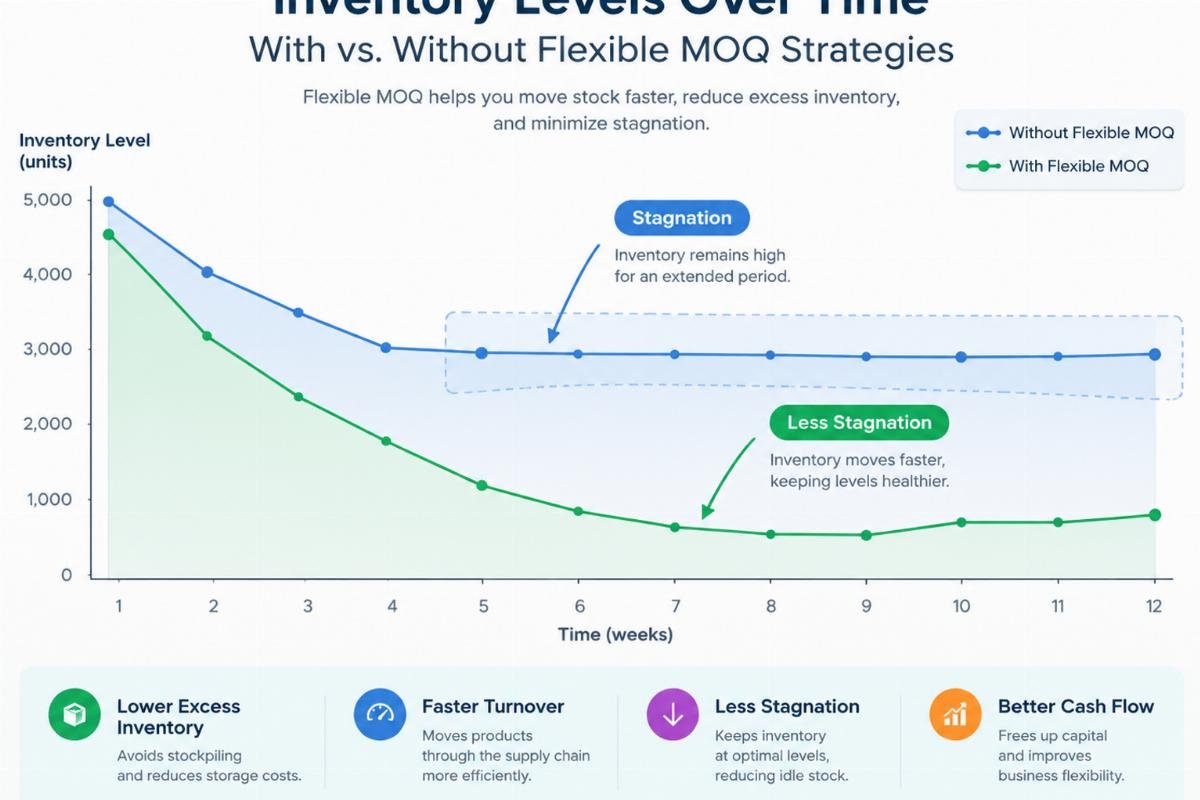
Prevention is always more cost-effective than cure. The root cause of dead stock in bearings is often rigid purchasing policies that force buyers to order in large quantities to achieve price breaks. By shifting to suppliers who offer flexible MOQs, ranging from single-unit emergency orders to full container consolidations, buyers can align their purchases with actual consumption rates. This reduces the risk of being stuck with excess inventory when specifications change or demand fluctuates.
Reliance on global suppliers with extensive spot inventory allows buyers to adopt a just-in-time approach without sacrificing availability. Instead of stocking months of supply for niche items, buyers can keep minimal safety stock and rely on rapid fulfillment from partners who hold thousands of standard and special part numbers. This strategy shifts the burden of inventory holding from the buyer to the supplier, who is better equipped to manage diverse stock levels across multiple clients. [NEED_CITE: benefits of vendor-managed inventory in industrial supply chains]
Furthermore, implementing regular ABC inventory analysis helps identify slow-moving items before they become dead stock. By categorizing bearings based on turnover rates, buyers can adjust their ordering frequency and quantity for each category. Items with low turnover should be ordered in smaller batches or sourced on demand, while high-turnover items can be stocked in bulk. This dynamic approach ensures that inventory levels remain aligned with operational needs, minimizing the accumulation of dead stock in bearings.
Conclusion
Dead stock is a manageable variable, not a fixed loss.
Clearing dead stock in bearings requires a shift from viewing inventory as static assets to seeing it as dynamic leverage. By bundling slow-movers with urgent spares, targeting aftermarket networks, and adopting flexible procurement strategies, buyers can optimize their inventory and reduce total sourcing costs. The key lies in combining technical expertise with strategic consolidation to turn potential waste into operational efficiency.
Share this article

Written by
author
Editor covering global sourcing, supplier verification, and industrial product knowledge. Content is compiled from manufacturer specifications, industry standards, and hands-on experience with international B2B buyers. Every article is fact-checked before publishing to help procurement professionals make informed decisions.
More articles by author

