Reliability Programs for Plants: Wholesale Bearing Supplier
Implementing effective Reliability programs for plants prevents premature bearing failures caused by supply chain gaps rather than heavy loads. Distributors ensure moisture-proof storage, precise installation guidance, and root-cause failure analysis to minimize downtime. This strategic partnership extends asset life through controlled handling and technical support.
-
By author
- Updated
- 5 min read

Reliability Programs for Plants: Wholesale Bearing Supplier
Most bearing failures are not caused by heavy loads.
Plants achieve true reliability when distributors provide end-to-end programs covering moisture-proof storage, precise installation guidance, and root-cause failure analysis, rather than just supplying boxes of bearings.
I used to believe my job was done once the customs documents were accurate. That illusion shattered in a sweltering copper mine in Chile. A batch of spherical roller bearings failed with severe spalling only months after installation, forcing an unplanned shutdown. Kneeling in the humid workshop, I realized the culprit was not the load but the journey: sea freight had compromised the packaging, allowing moisture to degrade the grease, while incorrect internal clearance adjustment during assembly accelerated the damage. This experience shifted my focus from transactional sales to implementing comprehensive Reliability programs for plants. By addressing gaps in storage and installation, we prevent premature failures before they occur.
Transitioning from a simple supplier to a reliability partner requires understanding where value is lost in the supply chain.
Why Do Plants Need Distributor-Led Reliability Programs?
Supply chain gaps often cause significant premature failures that OEM manuals do not address.
Many maintenance teams assume that buying genuine bearings guarantees performance. However, the period between manufacturing and installation is critical. Without proper oversight, bearings suffer from environmental exposure and handling errors. Implementing structured Reliability programs for plants bridges this gap. Distributors who offer more than just logistics help clients avoid common pitfalls such as corrosion during transit or mismatched technical specifications. [NEED_CITE: impact of supply chain handling on bearing life expectancy]
Consider a steel mill in the Middle East that faced recurring issues with continuous caster bearings. The problem was not the brand but the storage environment. High ambient temperatures and humidity led to grease deterioration before the bearings were even mounted. By integrating storage standards into their procurement strategy, the plant reduced waste significantly. This approach highlights why Reliability programs for plants are essential for industries operating in harsh climates.
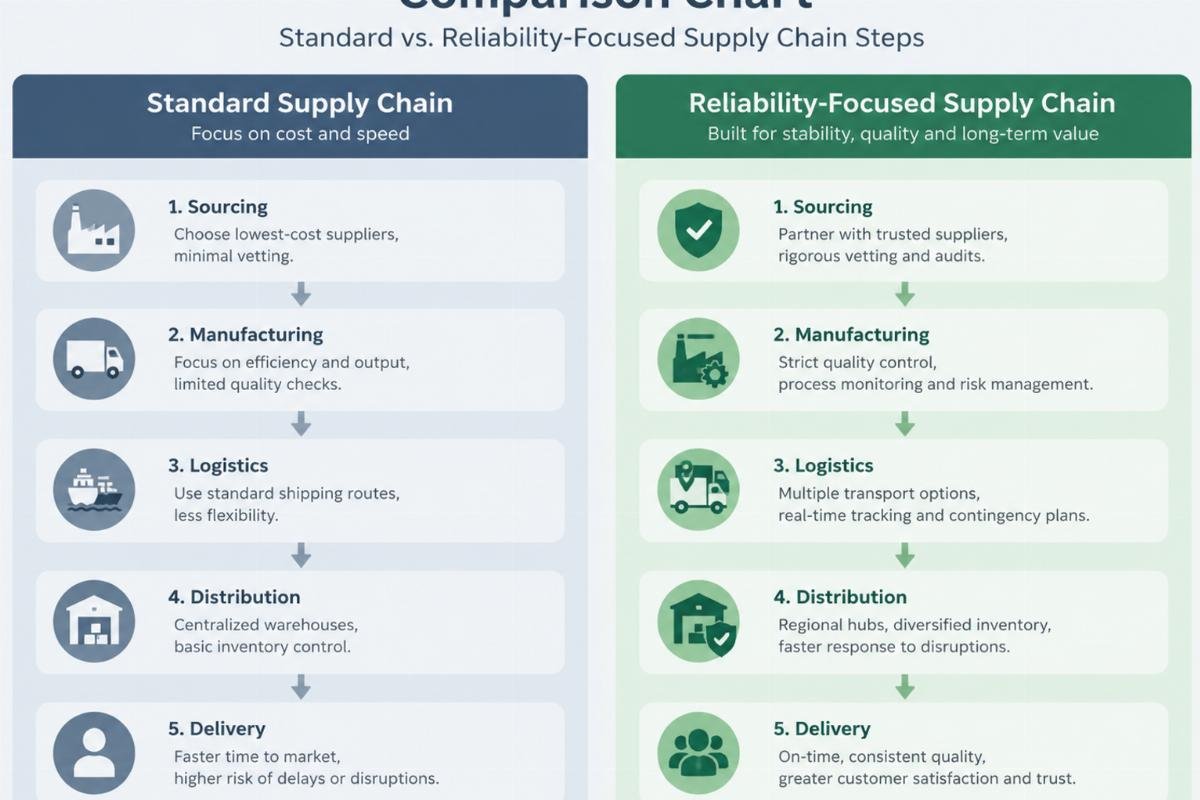
| Factor | Standard Supply Approach | Reliability-Focused Approach |
|---|---|---|
| Storage Control | Uncontrolled ambient conditions | Controlled humidity and temperature |
| Packaging | Standard manufacturer box | Moisture-proof and reinforced packaging |
| Technical Support | Basic datasheet provided | On-site installation guidance and clearance checks |
| Failure Response | Replacement part shipped | Root cause analysis and design feedback |
Step 1: Upgrading Storage & Packaging Standards
Moisture-proof packaging prevents transit-induced grease degradation.
Bearings are precision components sensitive to environmental changes. Standard cardboard boxes offer little protection against sea freight humidity or tropical heat. For Reliability programs for plants, upgrading packaging is the first defensive line. We utilize moisture-barrier materials and desiccants to ensure that bearings arrive in pristine condition. [NEED_CITE: ISO standards for bearing packaging and storage]
A wind farm operator in Europe once consolidated orders from multiple brands. The mixed shipment included bearings stored in varying conditions. By standardizing the packaging and applying strict humidity controls during consolidation, we ensured uniform quality. This step is crucial for maintaining the integrity of lubricants, which can separate or oxidize if exposed to fluctuating temperatures. Implementing these measures is a core component of effective Reliability programs for plants.

Proper storage also involves inventory management. Rotating stock based on manufacture date prevents old grease from hardening. For clients managing large inventories, we provide guidance on shelf-life monitoring. This proactive stance ensures that every bearing installed is as fresh as the day it left the factory.
Step 2: On-Site Installation & Clearance Guidance
Correct clearance adjustment extends service life significantly.
Even a perfect bearing fails if installed incorrectly. Internal clearance is a critical parameter that affects heat generation and load distribution. Many failures stem from improper fitting methods, such as using hammers instead of hydraulic tools. Our Reliability programs for plants include detailed installation protocols tailored to specific applications. [NEED_CITE: best practices for bearing mounting and clearance measurement]
In a mining operation, spherical roller bearings were failing prematurely due to excessive preload. By providing on-site guidance on measuring and adjusting internal clearance, we helped the maintenance team achieve optimal fit. This adjustment reduced operating temperatures and extended the service life meaningfully. Such technical support distinguishes a true partner from a mere vendor.

We also assist with tool selection. Using the right induction heater or puller prevents damage to the raceways. For complex assemblies, we review the installation procedure beforehand. This pre-emptive check avoids costly errors. Integrating these steps into Reliability programs for plants ensures that installation becomes a controlled process rather than a variable risk.
Step 3: Proactive Failure Analysis & Feedback
Root cause analysis turns breakdowns into design improvements.
When a failure occurs, the goal is not just replacement but understanding. Visual inspection alone is often insufficient. We employ vibration monitoring and lubricant degradation testing to identify underlying issues. [NEED_CITE: methods for rolling bearing damage analysis per ISO 15243]
A case involving a cement plant illustrated this value. Repeated failures on a crusher shaft were traced back to misalignment rather than bearing quality. By analyzing the failed components and reviewing the housing geometry, we recommended structural adjustments. This feedback loop prevented future occurrences. Such insights are vital for mature Reliability programs for plants.
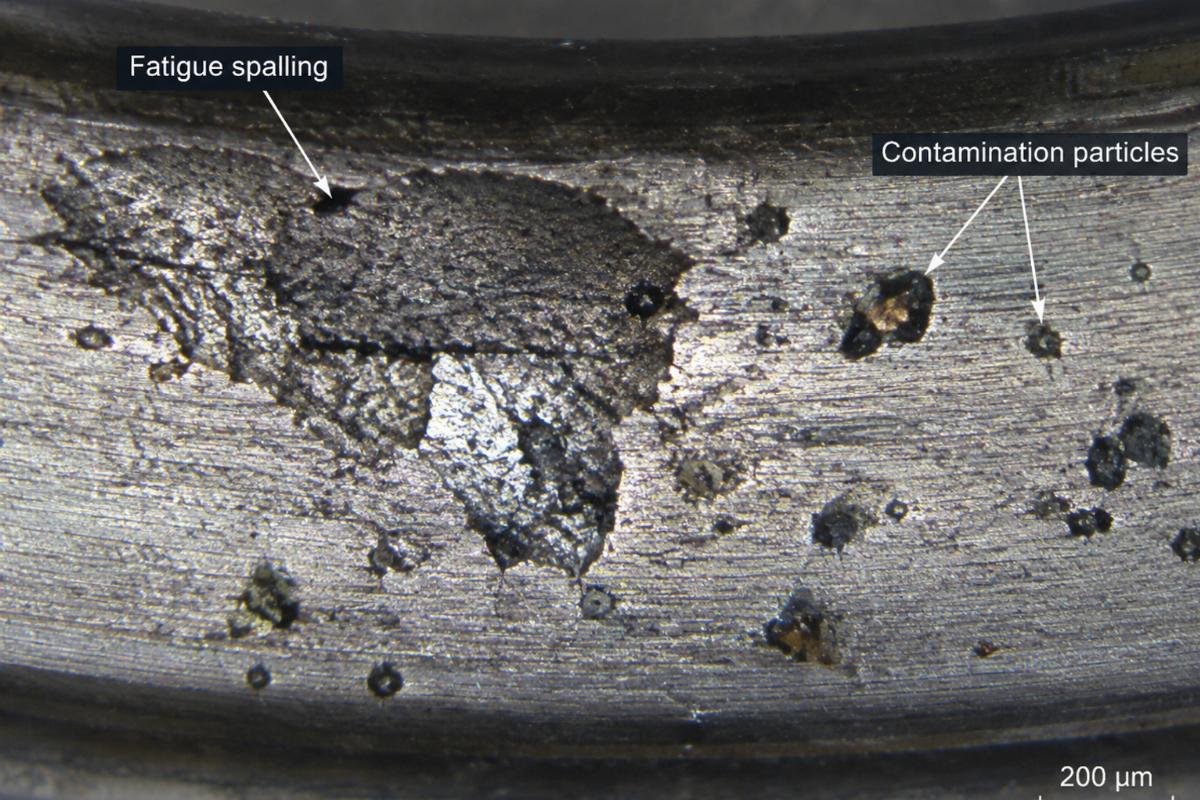
We document these findings and share them with the client’s engineering team. This collaboration helps refine maintenance schedules and operating parameters. Over time, this data-driven approach reduces unplanned downtime. It transforms reactive maintenance into predictive strategies. For global operators, having a distributor who provides this level of analysis is invaluable.
Conclusion
Reliability is built on details, not just deliveries.
Effective Reliability programs for plants require a holistic approach that covers storage, installation, and analysis. By partnering with distributors who offer these technical services, plants can minimize downtime and extend asset life. The shift from transactional supply to strategic support defines modern industrial maintenance.
Tags
Share this article

Written by
author
Editor covering global sourcing, supplier verification, and industrial product knowledge. Content is compiled from manufacturer specifications, industry standards, and hands-on experience with international B2B buyers. Every article is fact-checked before publishing to help procurement professionals make informed decisions.
More articles by author

